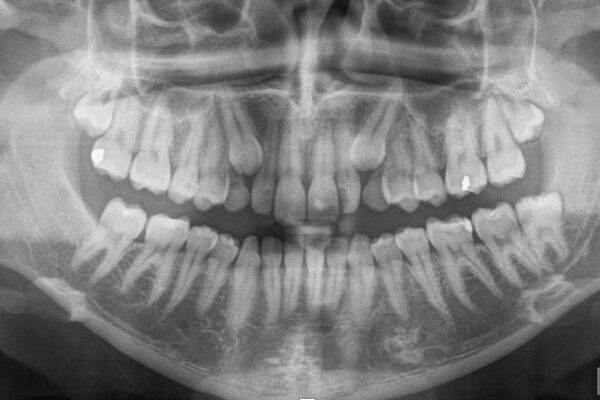
Tooth trauma usually occurs in accidents and sports-related injuries, especially in young children. Fracture is the most common occurrence in tooth injuries. Tooth displacement or avulsion (tooth totally out of bone) are less common but more serious events after an injury. Any dental injury, even if it seems simple, requires clinical examination by a specialized dentist in order to be treated in time.
– I fell down and the position of the tooth has changed, what should I do?
Tooth displacement can occur in 3 ways.
– I fell and my tooth came out completely, what should I do?
- If the tooth that came out is baby-tooth, it is not put back in the mouth as there is a risk of damage to the sperm of the permanent tooth but you should visit the dentist immediately to check the adjacent teeth, for any root residue, if it has affected the permanent ones and to replace the lost tooth in order to maintain the space for the normal eruption of the permanent tooth.
- If the missing tooth is permanent, it is important to move quickly:
- Βρίσκουμε το δόντι.
- Rinse the tooth with cold running water for up to 10 seconds, without touching the root.
- Put the tooth back in place in the mouth and hold it firmly with gauze. If we cannot do this, we keep it in milk. If there is no cold milk in the area you are in, it can be kept in the patient’s mouth under the tongue, as long as the patient is not a child as there is a risk of swallowing. In this case it is transferred to a container with the patient’s saliva.
- We visit the dentist immediately.
– What is the prognosis of an avulsed tooth?
The treatment and development of the extracted tooth depends on two important factors:
- Whether the formation of the tip has been completed and the condition of the periodontal cells, which depends on the time of stay of the tooth in a dry environment. 60 minutes later the periodontal cells are dead.
- A quick arrival in less than an hour to the dentists’ office can ensure that the tooth is kept in the mouth.
– Should other anatomical regions, besides the teeth be checked after a dental trauma?
In case of a serious injury, the priority is to ensure the patient’s life by providing first aid and immediate transport to the nearest hospital. After a strong impact there is a risk of injury to other tissues of the mouth, such as alveolar tissue fracture, jaw fracture, jaw dislocation – damage to the temporomandibular joint and soft tissue injuries (eg lips).
– How can dental injury be prevented?
In order to prevent dental injury, it is necessary to supervise young children, the appropriate configuration of the areas where infants play, the use of special protective mouthguards in sports and the timely orthodontic treatment in cases with big horizontal protrusion.